By Jeff Dionot | March 11th, 2026 | Scottsdale, Arizona
You’ve bookmarked the recipe. You’ve saved the Reel. You’ve watched the TikTok three times and paused it at every step. And yet — somehow — the dish never turns out quite right. Sound familiar?
Discover why a weekly in-person cooking program in Arizona beats online tutorials — build real kitchen skills, save money, and learn culinary secrets from professional chefs. Explore our programs today.
Millions of home cooks find themselves stuck in this loop: endlessly scrolling through social media tutorials, collecting recipes they never finish, and wishing they actually knew what they were doing in the kitchen. The good news? There’s a smarter path. A weekly in-person cooking program doesn’t just teach you recipes — it transforms the way you think about food, cook at home, and experience the culinary world. Here’s why enrolling in a structured, ongoing cooking series is one of the best decisions you can make this year.
The Problem with “Just Looking It Up”
Social media has made cooking content more accessible than ever. A new recipe is always one scroll away. But accessibility and education are two very different things — and that gap is exactly where most home cooks get stuck.
When you follow a TikTok tutorial or watch an Instagram cooking video, you’re learning that dish, not that skill. You’re following instructions, not building intuition. The moment you step away from the screen and face a pan full of onions that won’t stop burning, or a sauce that won’t thicken no matter what you do, you’re on your own. No comment section can walk you through it in real time.
Online recipes and tutorials also come with hidden costs: missing context, missing technique, missing the why behind every step. Why do you salt pasta water? Why does searing meat matter? Why does resting chicken after cooking change the texture? These are the questions that turn a recipe-follower into a real cook — and they’re exactly the kinds of questions that get answered inside a well-run weekly cooking program.
In-person instruction is fundamentally different. An experienced chef instructor can watch your knife grip and correct it before it becomes a bad habit. They can smell your pan before you do and tell you to turn down the heat. They can guide you through the moment something goes wrong — and teach you why it went wrong so it doesn’t happen again. That kind of real-time, hands-on feedback simply cannot be replicated by a 45-second video.
Why A Weekly Cooking Program Work Better Than One-Off Classes
A single cooking class is a fun night out. A weekly cooking series is a genuine education.
The difference comes down to how people actually learn complex skills. Cooking — real cooking — is a combination of muscle memory, sensory awareness, timing, and judgment. These things develop through repetition and reinforcement, not through one afternoon of chopping onions. Weekly programs are specifically designed to build on each session, layering new skills on top of what you learned the week before and giving you time in between to practice at home.
By the end of a multi-week series, students don’t just remember a handful of recipes. They’ve internalized techniques — how to properly sauté, how to build a sauce from scratch, how to balance flavors — that they can apply to anything they cook for the rest of their lives. That’s the difference between information and knowledge, and it’s what separates a cooking class from a cooking education.
There’s also a powerful accountability factor. Knowing you have class every week keeps you engaged with cooking between sessions. You practice. You experiment. You come back the following week with real questions. That cycle of instruction, practice, and feedback is the engine behind genuine skill development — and it’s built right into the structure of a weekly program.
The ROI Is Real: Skills That Pay for Themselves
Let’s talk about value, because this is where weekly cooking programs really shine.
The average American household spends a significant amount of money on dining out and food delivery each year. A substantial portion of that spending isn’t driven by desire — it’s driven by not knowing what to make with what’s already in the fridge. When you develop real cooking fundamentals, that dynamic shifts entirely.
Graduates of weekly cooking programs consistently report being able to:
- Cook confidently from whatever’s on hand, without needing a specific recipe or a special ingredient run
- Shop smarter, buying seasonal, affordable staples and knowing how to turn them into multiple meals
- Reduce food waste, because they understand how to use every part of an ingredient and repurpose leftovers creatively
- Recreate restaurant-quality meals at home, at a fraction of the cost
Think about it this way: if a weekly cooking program teaches you skills that allow you to cook at home even two or three more times a week than you did before, the savings on takeout and delivery add up fast. The program essentially pays for itself — and then keeps paying dividends for years, because the skills never expire.
Beyond the financial return, there’s the return on your time. Learning to cook efficiently means knowing how to prep smarter, how to batch-cook, and how to build meals around techniques rather than rigid recipes. That kind of kitchen fluency turns cooking from a stressful nightly chore into something you can actually enjoy.
You’re Not Just Learning Recipes — You’re Getting an Education in Food
One of the most underrated benefits of a quality in-person cooking program is everything that happens around the cooking itself.
Great culinary instructors don’t just walk you through a dish — they give you the story behind it. Where did this ingredient come from? How has this regional cuisine evolved over centuries? Why does this dish mean so much to the culture it came from? This kind of culinary context changes the way you experience food, both in the kitchen and when dining out.
At our cooking school, instructors cover:
The history and heritage of food. Every dish has a story. Understanding the origins of what you’re cooking — the geography, the culture, the trade routes that brought certain spices halfway around the world — deepens your appreciation and your creativity as a cook.
What’s happening in the food industry right now. From sustainability and farm-to-table practices to what’s happening in the fine dining world and emerging culinary trends, our instructors keep students plugged into the living, breathing conversation happening in kitchens around the world.
How to taste like a professional. There’s a skill to recognizing what separates a good dish from a great one — the balance of salt, acid, fat, and heat; how texture plays against flavor; what it means for a dish to feel “complete.” These are the kinds of tasting and evaluation skills that most home cooks never develop, but they’re completely learnable — and they change everything about how you cook and how you eat.
The kitchen secrets that chefs actually use. Every working chef has a mental library of tricks that never make it into cookbooks or social media posts. How to get restaurant-quality searing at home. The small adjustments that rescue a dish that’s gone sideways. The seasoning habits that separate a home cook from a professional. These are the insights our instructors bring from real kitchen experience — and they’re the kind of edge that’s impossible to Google.
The Community You Don’t Expect (But Can’t Imagine Cooking Without)
Here’s something no tutorial can offer: the people in the room with you.
Weekly cooking programs build genuine community. You’re learning alongside others who share your curiosity and enthusiasm for food. You swap notes on what worked and what didn’t. You encourage each other through the messier moments. You share a meal together at the end of class — and there’s something uniquely bonding about that.
For many of our students, the relationships built in our weekly series last well beyond the final class. Former students cook together, share recipes, and keep each other inspired in their home kitchens. That social layer makes the learning stickier, the experience more enjoyable, and the journey more memorable.
Confidence Is the Ingredient That Changes Everything
Ultimately, what a weekly cooking program gives you above everything else is confidence.
Confidence to open the fridge and improvise a meal from what’s there. Confidence to host a dinner party without stress. Confidence to try a new cuisine, a new technique, a new flavor combination — and to know that even if it doesn’t go perfectly, you have the skills to understand what happened and do better next time.
That confidence is built deliberately, over weeks, through guided instruction, real practice, and the kind of supportive learning environment that only comes from showing up in person, with an expert in the room.
Ready to Take Your Cooking to the Next Level?
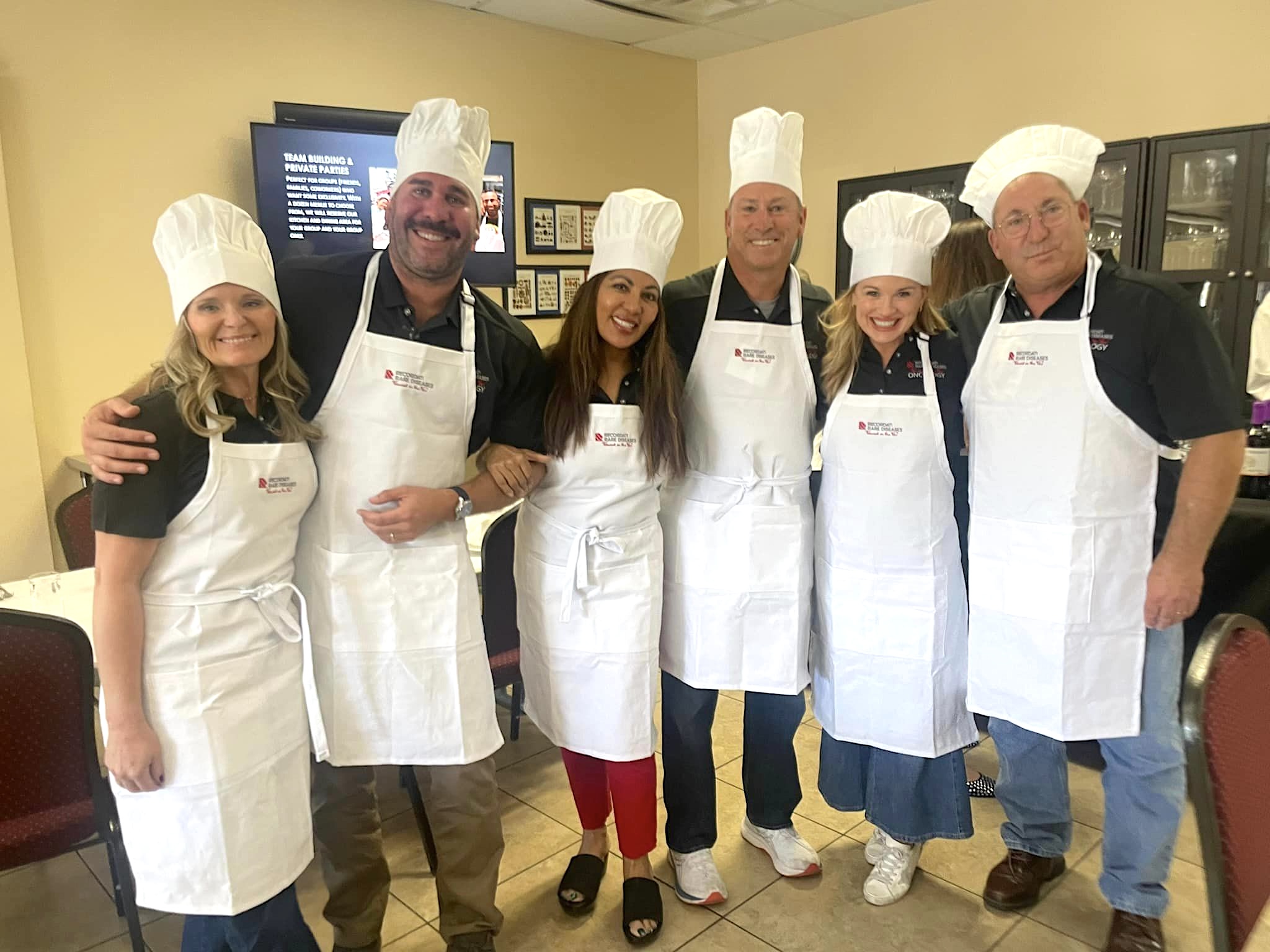
Our weekly cooking programs in Arizona are designed for every level of home cook — from total beginners to experienced cooks who want to sharpen their technique and expand their culinary knowledge. Each series is led by seasoned instructors who bring both professional kitchen experience and a genuine passion for teaching.
Whether you’re cooking for yourself, your family, or looking to seriously level up your skills, there’s a program here for you.
[Explore Our Current Weekly Programs!]
[Visit Our Instagram Page to See How Our Prior Programs Looked Like!]
Classic Cooking Academy
Scottsdale, Arizona | www.ccacademy.edu | 480-502-0177
Tags: cooking classes Arizona, weekly cooking program, in-person cooking school, learn to cook, culinary education, cooking classes near me, cooking school Phoenix, kitchen skills, beginner cooking classes, adult cooking classes Arizona